Available homes
Discover the homes currently available across Landcom communities and find the right opportunity to buy with Landcom.

Discover the homes currently available across Landcom communities and find the right opportunity to buy with Landcom.

Discover how Landcom engages with residents, councils and stakeholders to create affordable, sustainable and inclusive communities.
Find out more
Stay up to date with Landcom’s latest industry opportunities, including current tenders, upcoming projects, and ways to work with us.
Find out more Flood-impacted homeowners first in line for new East Lismore lots
 220 new homes for Sydney’s essential workers underway in Annandale
 Major milestone reached for Lismore Build-to- Rent homes
 Growing food and density together
 Creating a Spark: Energy Sharing Communities
 Valuing Creative Placemaking Toolkit
'In the Making' will showcase the projects, places and positive impacts we’re delivering across NSW. Explore the first quarterly edition and stay connected as this work evolves.

Explore Landcom’s teams and discover the diverse careers we offer. See how our people work together to create sustainable, inclusive communities.

Discover Landcom’s culture, values and behaviours, and see what makes our workplace inclusive, collaborative and focused on creating real impact.

Landcom is the NSW Government’s land and property developer. We work with government to unlock land...

Flood-impacted homeowners first in line for new East Lismore lots
220 new homes for Sydney’s essential workers underway in Annandale
Major milestone reached for Lismore Build-to- Rent homes

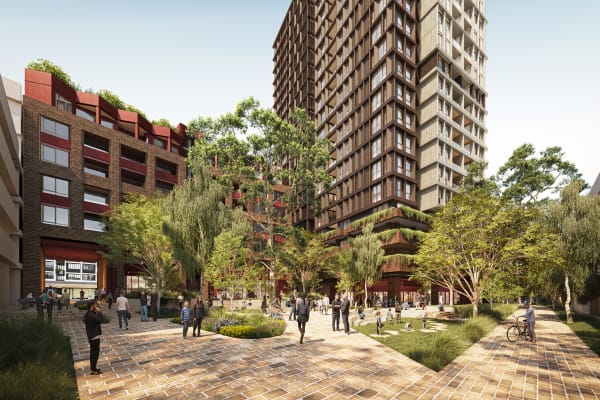
Landcom is shaping a new neighbourhood on the former Tweed Hospital site - a place where more people can enjoy the Tweed lifestyle, close to the river, beaches and town centre.
Located just 300 metres south of Tweed Mall, between Powell, Florence and Solander streets, the site is well connected to shops, services and everyday essentials. It’s a prime location with strong links to the Tweed Heads CBD and the wider community.
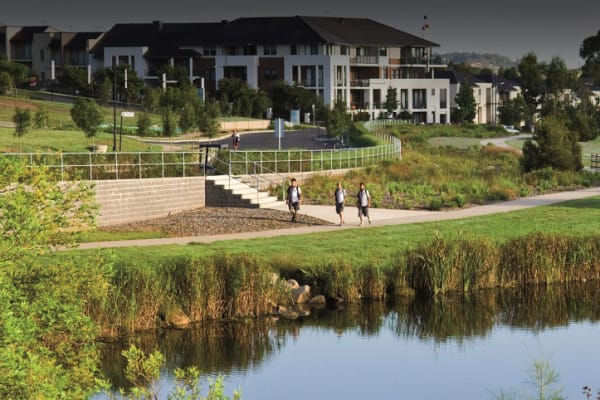
Set alongside the Tweed River reserve, the site also offers a rare opportunity to enhance how people experience the waterfront - creating new spaces for people to walk, gather and enjoy the natural beauty of the river.
It’s about making better use of well-located land to deliver more homes, more choice and more opportunity for the Tweed.
Landcom is shaping a new neighbourhood on the former Tweed Hospital site - a place where more people can enjoy the Tweed lifestyle, close to the river, beaches and town centre.
Located just 300 metres south of Tweed Mall, between Powell, Florence and Solander streets, the site is well connected to shops, services and everyday essentials. It’s a prime location with strong links to the Tweed Heads CBD and the wider community.
Set alongside the Tweed River reserve, the site also offers a rare opportunity to enhance how people experience the waterfront - creating new spaces for people to walk, gather and enjoy the natural beauty of the river.
It’s about making better use of well-located land to deliver more homes, more choice and more opportunity for the Tweed.


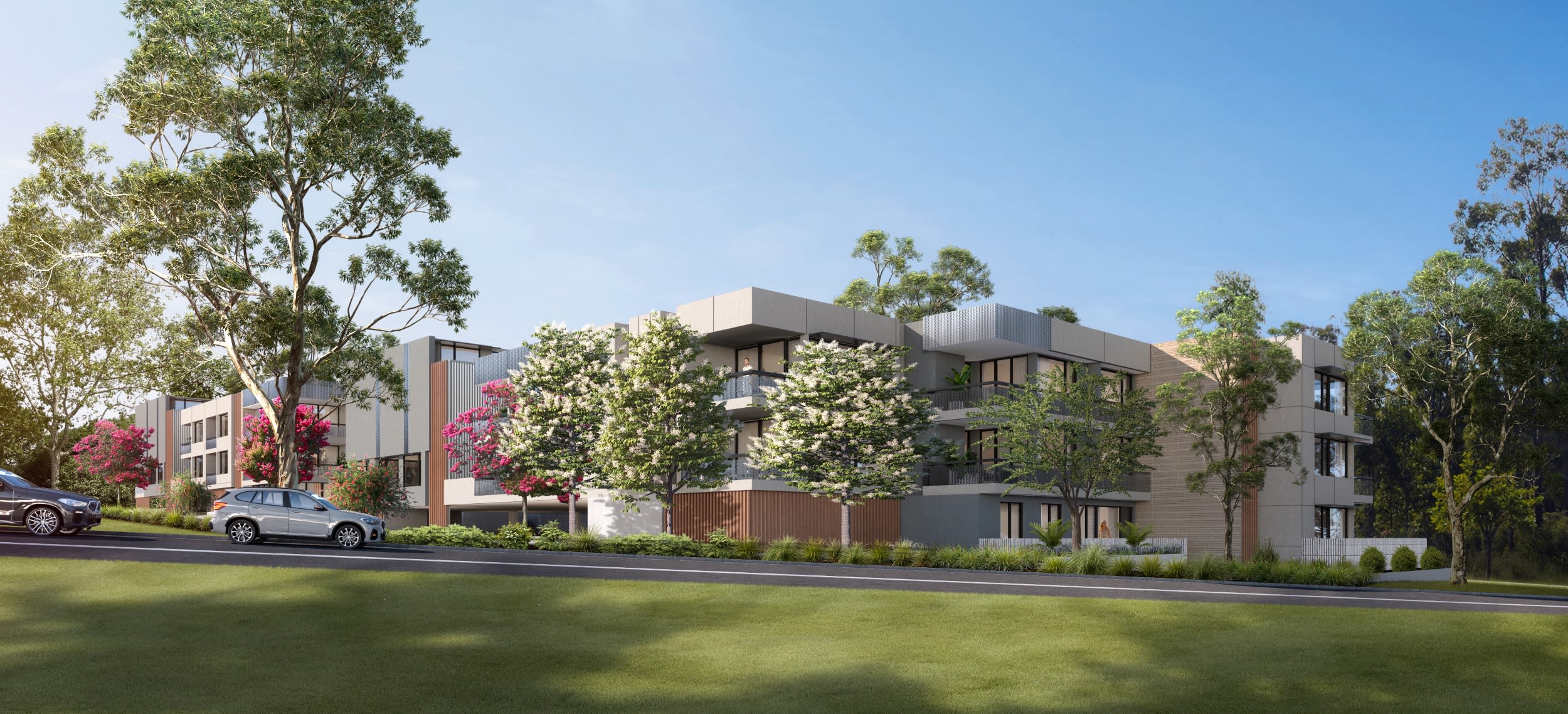
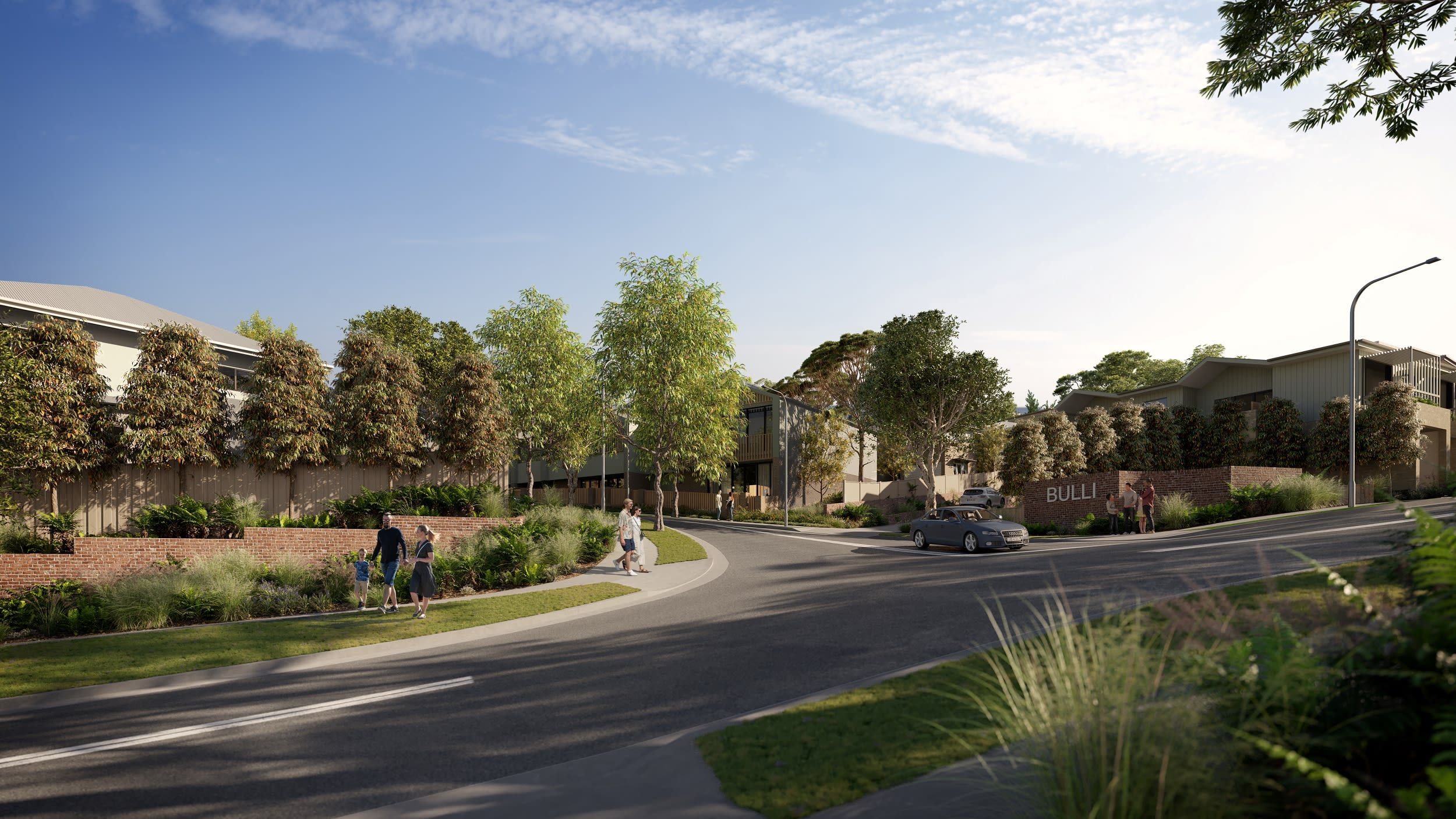
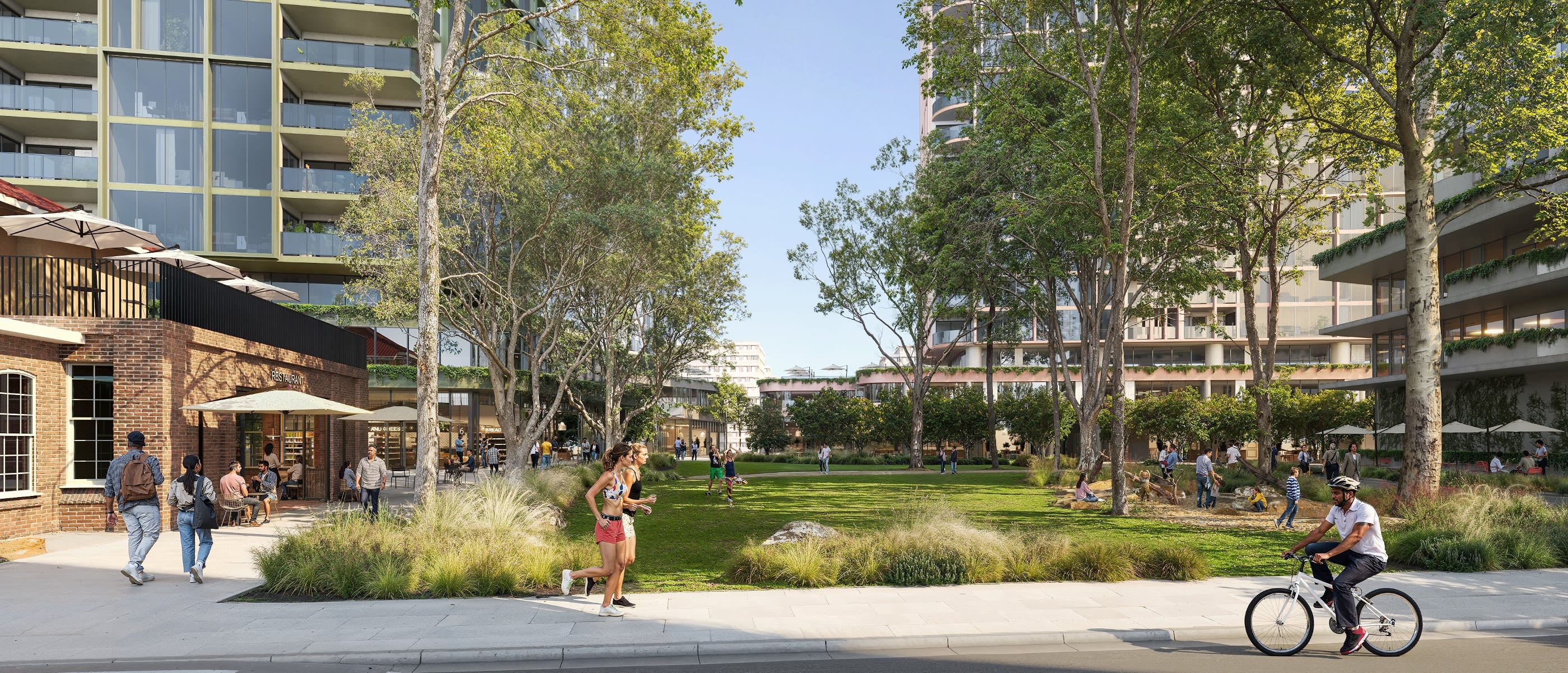
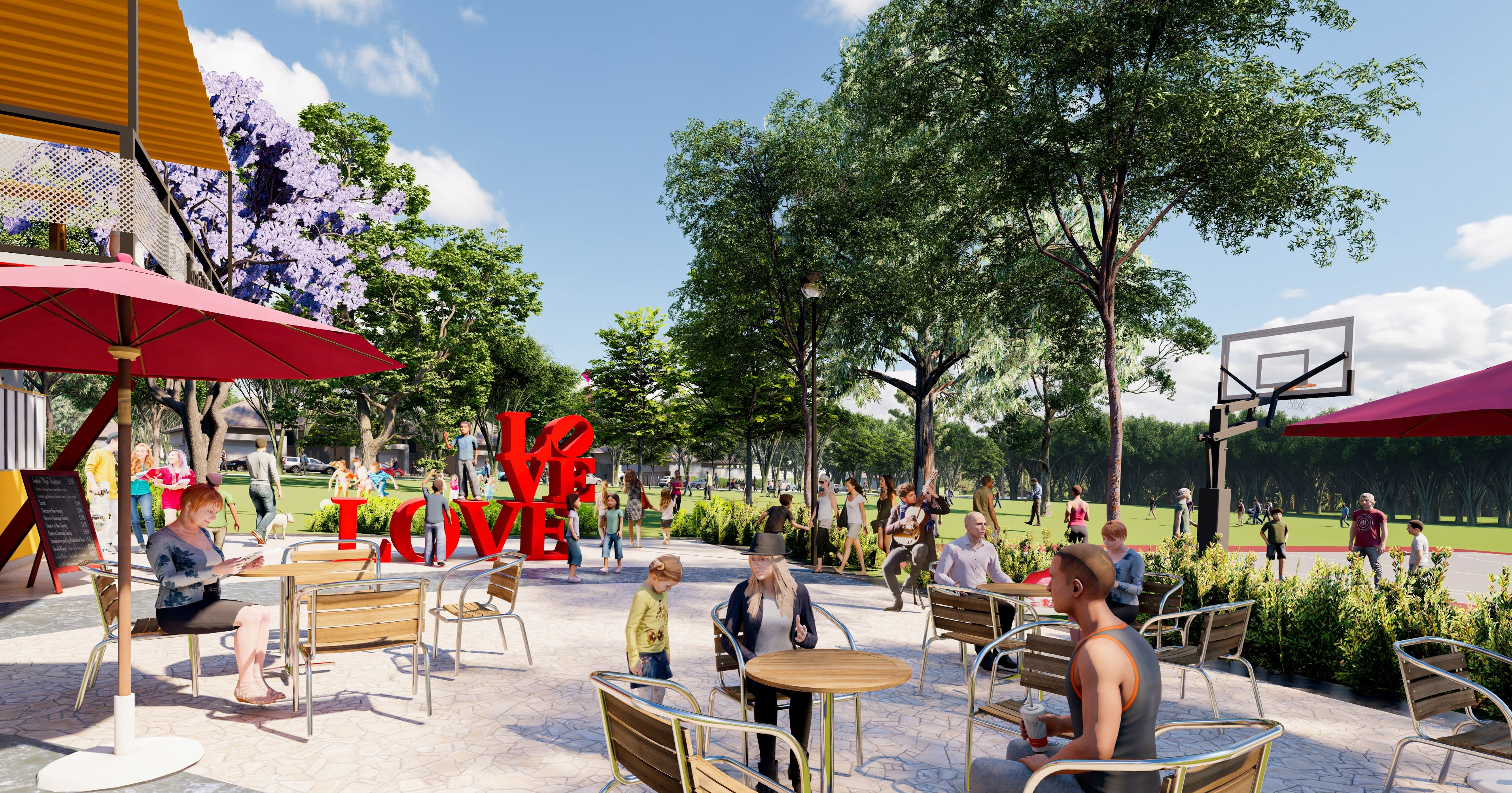
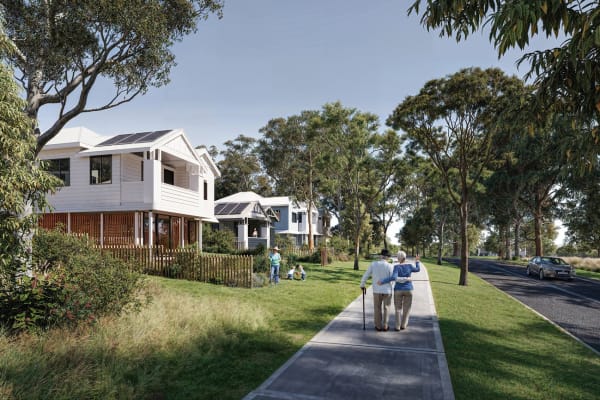
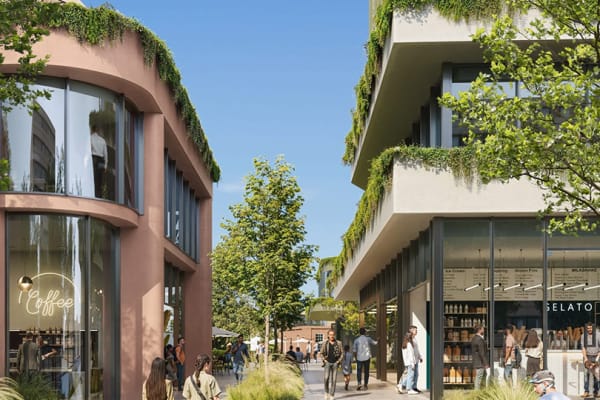
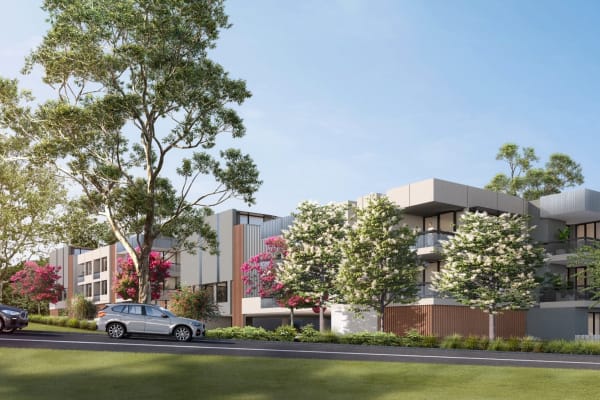
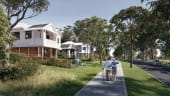
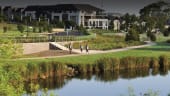
Artist's impressions of proposed development. Image is subject to change and approvals.
Artist's impressions of proposed development. Image is subject to change and approvals.
We’ll reimagine the former hospital site as a lively coastal neighbourhood designed for everyday life.
We’re focusing on:
By opening the site to the community, we’ll strengthen connections to the Tweed River and celebrate the area’s relaxed, evolving coastal identity.
Tweed Heads has growing housing pressure, with one of the lowest rental vacancy rates in NSW. More than 5,500 local households are experiencing housing stress.
This project responds to that need with a mix of homes to suit different life stages. That includes options for families, first home buyers and downsizers.
By offering a broader range of housing, we’re supporting a more diverse and inclusive community, while helping ease local housing pressure.
We’ll deliver at least 10% of homes as Affordable Housing, in partnership with a community housing provider, subject to funding and delivery partnerships. These homes will support people on very low to moderate incomes to stay connected to the communities where they live, work and belong.
As planning progresses, we’ll be clear about what the community can meaningfully influence and how we’ll use your feedback. Your input will help us decide:
What we hear will help guide our design team as they explore options and refine the emerging concept plan.

As we plan the site’s renewal, we’ll look for thoughtful ways to acknowledge its history and ongoing connection to community health.
Where feasible, we’ll explore opportunities to:
By respectfully weaving the site’s past into what comes next, we’re creating a neighbourhood that feels grounded, familiar and meaningful – not just new.

Why was the former Tweed Hospital site chosen for housing?
As part of the NSW Government’s review of surplus land, the former Tweed Hospital site was identified as suitable for new housing close to services, transport and jobs.
When did Landcom purchase the site?
Landcom purchased the former Tweed Heads Hospital site from NSW Health in June 2026.
What is happening with health services on the site?
Most services previously based at the former hospital site have relocated to the new Tweed Valley Hospital, which opened in May 2024. Some community health providers will move to facilities in the Tweed town centre, while ambulance services will continue to operate from the site.
Does Landcom recognise the site’s history?
Yes. The former Tweed Heads Hospital has played an important role in the region’s wellbeing for decades and holds strong meaning for the local community. We are committed to acknowledging this history as part of the site’s renewal.
What is Landcom planning for the site?
We’re transforming the former Tweed Heads Hospital site into a neighbourhood with new homes, open space and connections that fit with the existing community and help meet local housing needs.
What types of homes are being considered?
Early studies show the site could support a mix of smaller and diverse housing options that better reflect the needs of the local community.
How many homes could be delivered?
Initial planning work indicates the site could deliver around 800 dwellings, subject to further design work, approvals and community feedback.
How tall will the buildings be?
We have not yet established building heights, as we’re continuing to explore how best to utilise the site to deliver much‑needed housing.
How will the project's design ensure public spaces are safe and accessible for people of all ages and mobility levels?
The project is being designed so public spaces are safe, comfortable and easy to use for people of all ages and mobility levels, including older residents. This includes gentle footpath gradients, well‑designed kerb ramps, good lighting and seating in public areas so people can rest along walking routes. By focusing on these everyday details, we’re creating streets and open spaces that support independence, safety and confidence, helping people stay active and connected as we make homes happen together.
What are the key long-term community benefits of this project?
The project is focused on delivering long‑term benefits that support a strong, inclusive and well‑connected community. By providing more homes in well‑planned neighbourhoods, the project helps meet local housing needs while supporting people at different stages of life. It will deliver quality streets, open spaces and shared places that encourage people to walk, meet and feel part of their community, alongside infrastructure that supports everyday living.
New homes will also help strengthen local services and businesses over time, contributing to a more resilient local economy. With a strong focus on sustainability and thoughtful design, the project is planned to create lasting environmental and social value, ensuring the area continues to be a great place to live, now and into the future, as we work together to make homes happen.
How will the project be approved?
The redevelopment will be assessed through the State Significant Development Application (SSDA) pathway. This may also include a rezoning proposal, which would be considered as part of the planning process.
Is rezoning being considered?
Yes. It may be necessary to seek adjustments to the planning controls to ensure the site is used effectively, given its unique location close to the town centre, transport, jobs and amenity
When could works start?
Subject to approvals, early works are expected to begin from 2027.
How will sustainability be addressed?
The project is targeting a Green Star rating through the Green Building Council of Australia, reflecting our commitment to climate‑resilient homes and high‑quality public spaces.
What stage is the project at now?
We are in the early planning phase. Specialist teams are completing studies to understand the site’s opportunities and constraints and to inform the concept plan.
What studies are being done?
A range of technical specialists are completing assessments to help us understand the site’s constraints and opportunities, and to inform the concept plan. Throughout project planning, the technical studies will cover:
How will the site’s history be reflected?
We will aim to respectfully acknowledge the site’s long history as a place of care and healing through planning, design and interpretation.
Will materials from the old hospital be reused?
Where feasible, we will look for opportunities to repurpose materials from existing buildings in landscaping or design features.
What happens if heritage items are found during works?
If items are uncovered, works will pause in the affected area while qualified heritage specialists assess and manage them. Relevant agencies will be notified, and updates will be shared once works are complete.
What measures will be in place to manage construction impacts like noise, dust, and working hours?
We understand construction can be disruptive, and we’re committed to minimising impacts on nearby residents and businesses wherever possible.
To manage noise, dust and working hours, we will:
We’ll continue working closely with our contractors and the community to make sure construction is managed safely, responsibly and with respect for our neighbours.
What is the project's commitment to local employment and using local suppliers?
Creating homes also means creating opportunities. The project is committed to supporting local employment and local suppliers wherever possible throughout construction and delivery.
Will the project include Affordable Housing?
Yes. There are plans for at least 10% Affordable Housing, subject to funding, subsidies and partnerships with community housing providers.
Why is this location suited to Affordable Housing?
The site is close to services, public transport and jobs, making it well suited to more attainable homes for people at different life stages.
Beyond the 10% Affordable Housing, how will the project's housing mix cater to local needs and impact the wider rental market?
Beyond the 10% Affordable Housing commitment, the project is expected to include a mix of one, two and three‑bedroom homes to suit a range of household needs and budgets, including renters. By increasing the overall supply and diversity of housing in the area, the project helps provide more choice and can ease pressure on the wider rental market over time. While rental prices are influenced by many factors beyond a single development, delivering more homes for more people is a practical way to support affordability and respond to cost‑of‑living pressures, helping make homes happen for the local community.
Why is more housing needed in the Tweed?
Nearly half of Tweed households are experiencing rental stress, and the population is expected to grow significantly by 2041. Households are also becoming smaller and older, increasing demand for accessible, low‑maintenance homes.
Will community health services stay in Tweed Heads?
Yes. NSW Health advises community health services will continue to be provided locally.
Where are services relocating to?
Community Health and BreastScreen services are moving to new facilities at Tweed Mall, while administrative staff will relocate to Tweed Valley Hospital. NNSWLHD will continue to update the community.
How will Landcom engage with the community?
We will provide opportunities to learn about the project, ask questions and share ideas. We’ll be clear about what feedback can influence.
What can community feedback shape?
Feedback will help guide how public spaces work, how people move through the site safely, and how local stories and culture are reflected in the design.
How will updates be shared?
Through newsletters, on‑site notifications and digital updates. When the SSD application is lodged, it will be publicly exhibited by the Department of Planning, Housing and Infrastructure.
How is flooding being addressed?
Specialist studies will assess ground conditions, stormwater and flooding to ensure risks are understood and managed through design.
What about traffic and parking?
Traffic and parking impacts will be assessed as part of planning. Parking for future residents will also be provided, with final numbers determined through design.
How is Landcom working with Aboriginal communities?
We are applying Landcom’s Connecting with Country Framework from the outset, working in with the local Aboriginal knowledge holders to guide planning and design on Bundjalung Country.
Whatever you need, we’re here to help.
engagement@landcom.nsw.gov.au
(02) 9841 8600
If you require the services of an interpreter, please contact the Translating and Interpreting Service on 131 450 and ask them to call Landcom on 02 9841 8600. The interpreter will then assist you with the translation.